Case note: the Harrow PPG17 study
A London borough-wide PPG17 open space, sport and recreation study: audit, consultation and green space strategy.
The Common Ground editorial deskPublished 4 min read
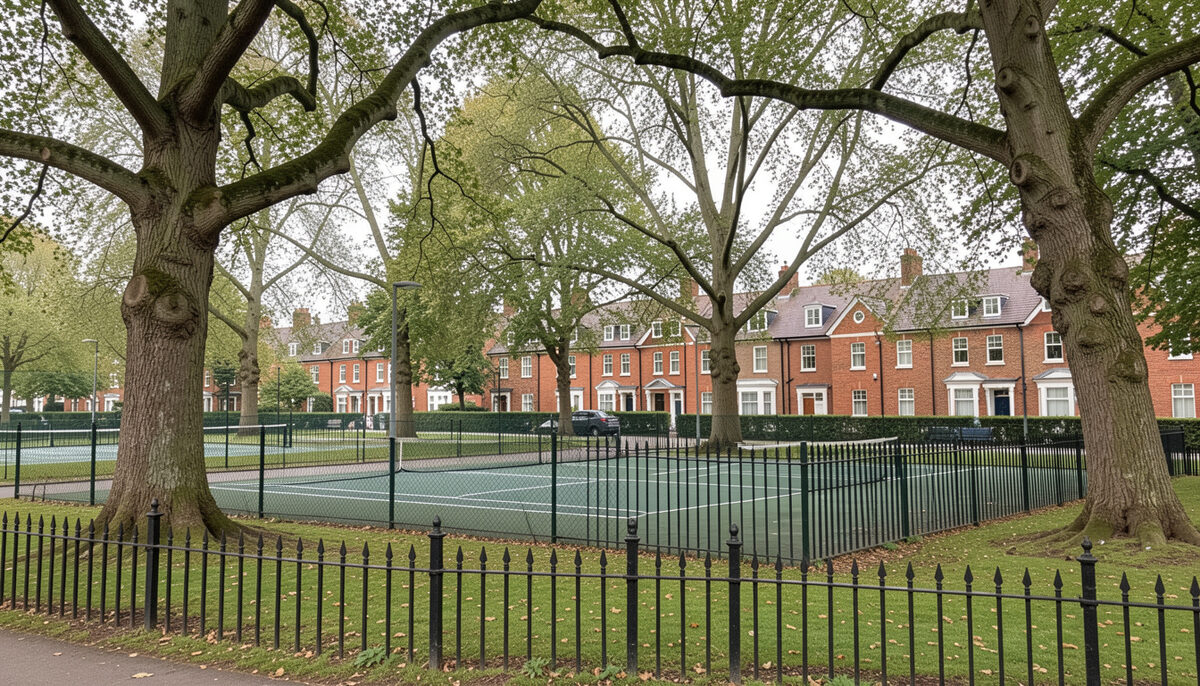
The London Borough of Harrow, like many local authorities of the mid-2000s, faced a familiar problem: it knew it had parks, playing fields and informal open spaces across the borough, but it lacked a single, coherent evidence base describing how much provision existed, what condition it was in, and whether it met the needs of residents. Planning Policy Guidance note 17, the government's guidance on open space, sport and recreation, required councils to assess need and audit supply before setting local standards. Harrow commissioned a borough-wide study, and the result became a working tool for the authority's development plan and its parks and green space management.
The study was carried out by Ashley Godfrey Associates, a planning and leisure consultancy based in Ware, Hertfordshire, which has a long track record in open space, play and recreation work. For Harrow, the commission combined a full audit of open space provision with structured stakeholder engagement and analysis feeding into the borough's wider parks, green space and tree strategy. The borough's principal planning officer at the time described the outcomes, in an archived comment, as "clearly evidenced, credible and robust" - an assessment that mattered, because evidence of that kind is precisely what examiners and inspectors looked for when local standards were tested.
What a PPG17 assessment involves
PPG17 set out a demanding but logical sequence. First, an authority had to establish the quantity, quality and accessibility of its existing open spaces, by type: parks and gardens, informal recreation space, children's play provision, playing pitches, allotments and natural and semi-natural greenspace. Second, it had to understand local need, typically through consultation with residents and stakeholder groups. Third, it had to set locally determined provision standards, justified by that evidence rather than lifted from national benchmarks. Readers wanting a fuller explanation of the method can find one in the companion piece How a PPG17 open space assessment worked.
In Harrow's case, the audit ran at borough scale. Sites were visited, assessed and recorded, so that the council held a site-by-site picture of quality and condition rather than a broad-brush impression. This kind of fieldwork is the unglamorous foundation of the whole exercise, and it is what allowed the resulting standards to be defended. The general approach to auditing local provision is described further in Surveys and audits of local provision.
Engagement and evidence
The consultation element was not decorative. Ashley Godfrey Associates' practice in this period combined quantitative methods - postal and online surveys with response rates the firm reported at 35 per cent or more on long questionnaires - with qualitative work such as focus groups and stakeholder workshops. The firm's stated aim was that consultation should be "rigorous, meaningful and inclusive", reaching groups that standard tactics often miss. In an outer London borough such as Harrow, with a diverse population and a wide range of open space types from formal parks to school playing fields, that breadth of engagement was essential to the credibility of the findings. The firm's general approach is outlined in Community consultation, done properly.
Bringing the audit data and the consultation findings together allowed the borough to identify where provision was strong, where it was under pressure, and where accessibility gaps existed - for example, residents beyond reasonable walking distance of a decent local park or equipped play area. That spatial dimension, mapping catchments against provision, is where an audit becomes a planning tool rather than an inventory.
Outcomes and the parks, green space and tree strategy
The study fed directly into Harrow's parks and green space and tree strategy work. A PPG17 assessment gives an authority three things it otherwise lacks: a defensible baseline, locally justified standards for use in determining planning applications, and a priority list for investment and management. For the parks service, the quality scores highlight the sites most in need of attention. For planners, the standards inform negotiations over open space in new development and contributions toward improvements. For the tree strategy, the audit of green space provides the context in which the borough's tree stock is understood as part of its wider green infrastructure.
The principal planning officer's description of the work as "clearly evidenced, credible and robust" reflects the test that mattered: whether the evidence base could withstand scrutiny at examination and in day-to-day development management.
From PPG17 to today
PPG17 itself has long since been superseded, first by Planning Policy Statement 12 and then by the National Planning Policy Framework, which continues to require assessments of open space and sports provision as the basis for local standards. The underlying logic - audit supply, assess need, set evidenced standards - has survived every change of policy label. The trajectory is traced in From PPG17 to the NPPF.
Harrow's experience illustrates why. An authority that can show, site by site and survey by survey, what it has and what residents want, is in a far stronger position - both to refuse the loss of valuable open space and to argue for improvements where provision falls short. Further background on the borough today, including its parks and green spaces, is available from the London Borough of Harrow. Case notes such as this one are part of a wider series on planning practice collected under Parks and open space, planned properly.